
- Joined
- Jan 19, 2016
- Messages
- 4,593
- Reaction score
- 4,222
- Points
- 113
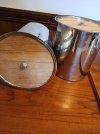
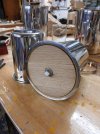
I've been looking at small-batch distilling techniques and one of the cool bits of technology used in the process is a more modern replacement for small barrels. These vessels are made of stainless steel tapered pots (called Bain Marie pots and used for restaurant kitchen steam tables). A round insert is fashioned from white oak, either new air-dried wood or used wood from reclaimed bourbon barrels. The new wood can be toasted and/or charred just as a new oak barrel would be prepared for bourbon. The reclaimed wood retains the character of the whiskey that was aged in it.
These are used pretty extensively for aging spirits in sizes ranging from as small as a liter or two up to around 5 gallons. The advantage for distillers is that, unlike small barrels that can have too much wood in relation to the amount of spirits, these vessels come a little closer to mimicking the slower-aging profile of larger barrels because the amount of wood contact is limited. It occurs to me that these containers would come in handy for those of us homebrewers that want to barrel age a small batch of stout or other beer. There are several advantages over small oak barrels. They can be more cost-effective and because the wood is only on one end, keeping it from going sour between batches is easy - just store wood side down with a cup full of bourbon or other alcohol in it - not only does that keep it sanitary, it reconditions the oak for the next batch of beer.
I'm in the process of making up a number of these vessels using fresh-dumped Jim Beam and Makers Mark barrel wood. The larger ones I'm working with at present are around 1.25 and 2 gallons. Those might be handy for some of the small-batch brewers. Anyone who's interested can PM me.
These are used pretty extensively for aging spirits in sizes ranging from as small as a liter or two up to around 5 gallons. The advantage for distillers is that, unlike small barrels that can have too much wood in relation to the amount of spirits, these vessels come a little closer to mimicking the slower-aging profile of larger barrels because the amount of wood contact is limited. It occurs to me that these containers would come in handy for those of us homebrewers that want to barrel age a small batch of stout or other beer. There are several advantages over small oak barrels. They can be more cost-effective and because the wood is only on one end, keeping it from going sour between batches is easy - just store wood side down with a cup full of bourbon or other alcohol in it - not only does that keep it sanitary, it reconditions the oak for the next batch of beer.
I'm in the process of making up a number of these vessels using fresh-dumped Jim Beam and Makers Mark barrel wood. The larger ones I'm working with at present are around 1.25 and 2 gallons. Those might be handy for some of the small-batch brewers. Anyone who's interested can PM me.