
Jump from homebrew to a brewery

Meh...commercial filters are pretty long lived. we would change our carbon once a year, the traps we would replace at the same time. We were cranking Hundreds of thousands of gallons through it a year, it was big.

We did water samples quarterly. Our municipal water in savannah is actually not too bad. Only added CaCl2 and Gyp.
You must have a vastly superior filtration system - of course. I get about a year's worth of brewing... ish. Once I see the TDS up around .009 or higher, I start prepping for a filter swap. The R/O membrane does pretty good, but the sediment and carbon traps not so much.

And I have pretty darn good water from the tap.

 
You must have a vastly superior filtration system - of course. I get about a year's worth of brewing... ish. Once I see the TDS up around .009 or higher, I start prepping for a filter swap. The R/O membrane does pretty good, but the sediment and carbon traps not so much.

And I have pretty darn good water from the tap.
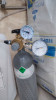
industrial. the housings were like 12-16 inches in diameter and 3 feet tall. the lines coming in from the street were 2 inch and our street pressure was high like 60 psi. We had a water pressure increaser(i dont remember the actual name) that bumped our lines in the building up to 100psi. Savannah has pretty good water quality for beer.

i have installed a couple of the fancy in home water filter systems(3 stage ones) big stainless tank looking ones(blanking on the name right now) and this was far far heavier duty then those.
 
industrial. the housings were like 12-16 inches in diameter and 3 feet tall. the lines coming in from the street were 2 inch and our street pressure was high like 60 psi. We had a water pressure increaser(i dont remember the actual name) that bumped our lines in the building up to 100psi. Savannah has pretty good water quality for beer.

i have installed a couple of the fancy in home water filter systems(3 stage ones) big stainless tank looking ones(blanking on the name right now) and this was far far heavier duty then those.
I'm planning to install next days cooling buffer tank, what about heating?
Home I'm heating the fermentor because no isolation during winter is problem
What about unitanks, do need heating? Planning to brew ale 18-23 Celsius, I'm sure heating is needed, but i wanted to make sure
Also what temperature the glycol for heating? If beer is 19-20 Celsius, 30 is fine for glycol?
 
I'm planning to install next days cooling buffer tank, what about heating?
Home I'm heating the fermentor because no isolation during winter is problem
What about unitanks, do need heating? Planning to brew ale 18-23 Celsius, I'm sure heating is needed, but i wanted to make sure
Also what temperature the glycol for heating? If beer is 19-20 Celsius, 30 is fine for glycol?
fermenters should be heavily insulated. you will deal with serious mold and mildew problems if they are not jacketed, plus you will really tax your glycol system.

Temperature control is EXTREMELY important, you need to have the ability to maintain cooling during fermentation. You can taste when a beer has gotten too hot during fermenation. this is one of the main things that separates the big boys from homebrewing. as you scale up, you need to scale up your glycol setup so that it can handle the demand of running multiple tanks and crashing them quickly.

i have never needed to heat a tank, fermentation is exothermic. you need to cool the tank not heat it up.
 
fermenters should be heavily insulated. you will deal with serious mold and mildew problems if they are not jacketed, plus you will really tax your glycol system.

Temperature control is EXTREMELY important, you need to have the ability to maintain cooling during fermentation. You can taste when a beer has gotten too hot during fermenation. this is one of the main things that separates the big boys from homebrewing. as you scale up, you need to scale up your glycol setup so that it can handle the demand of running multiple tanks and crashing them quickly.

i have never needed to heat a tank, fermentation is exothermic. you need to cool the tank not heat it up.
my unitanks are 80mm insulatad.
So what you doing winter? lets say if the brewery temperature is 0 celsius,, puting the beer inside the fermentor at 19 celsius, or if i want to raise the temperature from 20 to 22 last few days?
 
my unitanks are 80mm insulatad.
So what you doing winter? lets say if the brewery temperature is 0 celsius,, puting the beer inside the fermentor at 19 celsius, or if i want to raise the temperature from 20 to 22 last few days?
The warehouse where i brewed previously had basic heaters that would keep the building in the 40s, if it got to freezing in the building we had far bigger problems(like burst water lines), so we would run the heaters when it was that cold. that being said insulation and the fermentation temp and timing should be sufficient to keep things at the right temps.

the big big boys have exterior tank farms. if they are outside and it gets that cold i assume they have insulation on the dome and probably some sort of active heating setup. i have never brewed where it would get that cold inside of the building.
 
The warehouse where i brewed previously had basic heaters that would keep the building in the 40s, if it got to freezing in the building we had far bigger problems(like burst water lines), so we would run the heaters when it was that cold. that being said insulation and the fermentation temp and timing should be sufficient to keep things at the right temps.

the big big boys have exterior tank farms. if they are outside and it gets that cold i assume they have insulation on the dome and probably some sort of active heating setup. i have never brewed where it would get that cold inside of the building.
theanks for your replys
thats good to know, so i'm wating the winter to make some tests,
 
30 is fine for glycol?
Glycol is used in these systems because it does not (easily) freeze. It is chemically similar (!NOT the same!) to car antifreeze. We use glycol for cold systems, not usually for hot.

Car antifreeze goes well above 100C without trouble. 30C should be ok. Ask the glycol supplier or manufacturer.

Pure water has a larger capacity to carry heat, glycol reduces this capacity. Glycol can have corrosion inhibitors to protect metal parts. If everything is good food-grade stainless, corrosion should not be a problem.

Glycol used for food is absolutely required to be food-safe, even in Europe.
 
Glycol is used in these systems because it does not (easily) freeze. It is chemically similar (!NOT the same!) to car antifreeze. We use glycol for cold systems, not usually for hot.

Car antifreeze goes well above 100C without trouble. 30C should be ok. Ask the glycol supplier or manufacturer.

Pure water has a larger capacity to carry heat, glycol reduces this capacity. Glycol can have corrosion inhibitors to protect metal parts. If everything is good food-grade stainless, corrosion should not be a problem.

Glycol used for food is absolutely required to be food-safe, even in Europe.
The corrosion inhibitors are important for the chiller parts, a lot of them are copper or aluminum for heat conduction.

Food grade glycol with a rust inhibitor and a leak detection dye is what we use.

Glycol degrades really quickly when it is used a high temps or when it is even stored warm. the concentrate that we use needs to be stored in a climate controlled spot or it will degrade quickly.

it is also insanely slipperly, as in it will sneak out of pipes and fittings much more easily then water, so you need to use properly rated sealants or you will end up with your expensive sugar water on the floor and not in the tank.

propylene glycol is actually a fairly common food ingredient. especially in things that need to be water soluble.

can tell you from experience that it does not taste good...we suck siphoned our chiller a long time ago...12 55gal drums of concetrate. dumb, but we survived and it makes a good story.
 
Hello again 3 days ago i put some water in to my unitank (just 200-300 liters) just to check the temperature
I see day by day temperature is falling, its almost winter here outside temperature is 6 by night 16 by day.
I was wondering what will happen wen i have beer in to it..
My tanks have 80mm isolation
Is it's cold outside can't control it without heating,
Of course fermentation will produce some heat but after fermentation ends what if i need to heat up some Celsius,
Thinking if I'm going to need a hot water tank switching as needed
Next days will build the cooling system
What's your opinion?
How do you heat your beer if that's necessary?
Screenshot_2025-11-29-15-11-10-691_com.yiannnos.myspindel.jpg
 
I can only speak to the small; 2.5-20 gallon range.

First, building insulation, then room insulation. 2nd, kettle / tank insulation. If that doesn't stabilize temps enough, you can consider
- portable heat for overnight
- or, get climate control where the fermenters are. I put a mini split system in my garage that allows my glycol chiller to work with much less difficulty. These have heat as well as cooling. The unit was only $800 US and install was $700 US and it is rated to heat/cool 1200 square feet, which so far has done a bang up job on my 900 square foot, high ceiling garage brewery.
Also, at the home brewer scale heating pads can be used. I doubt you're going to find a heating element large enough to work on 2-300 liters.

I have had a couple lagers fall into the 40's, which I expected to be a bit of bother, but as it turns out, the (Bavarian Lager) yeast kept on chugging, down to 41F !!!!! I warmed it up slowly and from what I could see it was totally unfazed by the 10F temperature drop.
 
Hello again 3 days ago i put some water in to my unitank (just 200-300 liters) just to check the temperature
I see day by day temperature is falling, its almost winter here outside temperature is 6 by night 16 by day.
I was wondering what will happen wen i have beer in to it..
My tanks have 80mm isolation
Is it's cold outside can't control it without heating,
Of course fermentation will produce some heat but after fermentation ends what if i need to heat up some Celsius,
Thinking if I'm going to need a hot water tank switching as needed
Next days will build the cooling system
What's your opinion?
How do you heat your beer if that's necessary?
View attachment 33619
Is it 6c inside the building? will it get below freezing inside?

So the fermentation should be self heating. so you should be fine there. i would be worried about water lines and such if you will get below freezing inside.

Honestly i dont think that you will need a heating system for the tanks. big breweries have exterior fermentors(these can be heated though when it is crazy cold).

Lagers like cold.

also remember that it takes alot to actually freeze beer. liquid volume also takes ALOT of energy to change temps hence the fact that you run below freezing glycol to control the tanks.
 
The winter is not that hard to my city temperatures dropping below 0 few days a year wasn't never a problem (at least to me)
Don't think that pipes will freeze
Anyway just checking with water, u will add some hot and more water to see
In the next 20 days i will have the brew all in one system will brew a full water batch
 

Back
Top